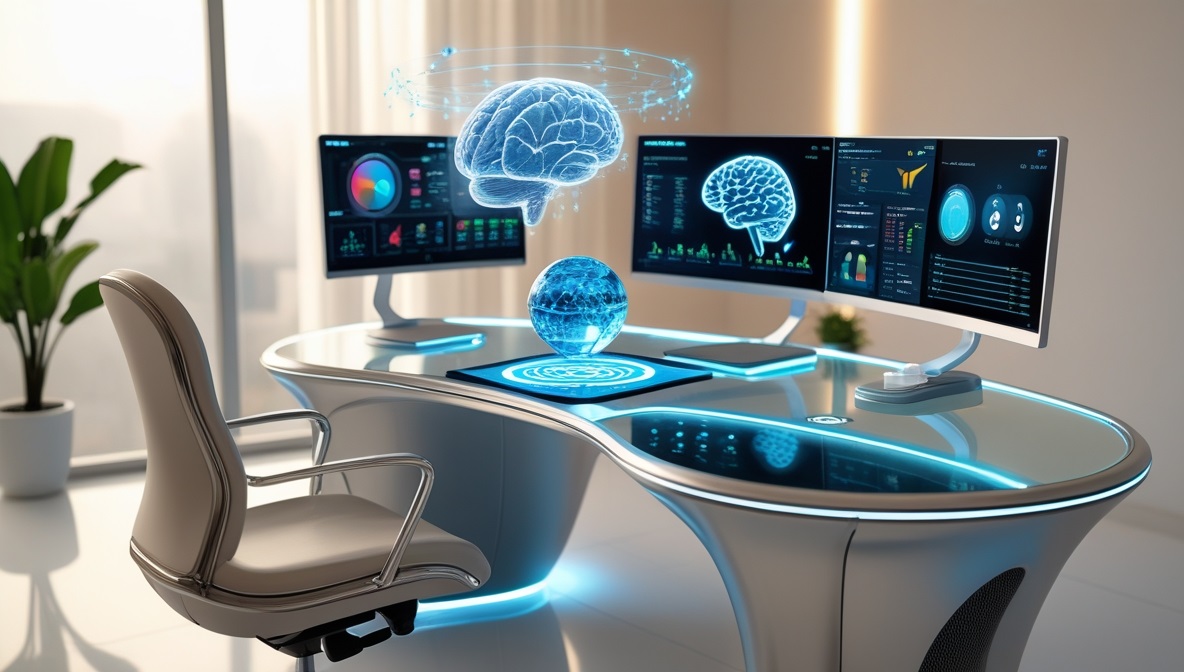


In today’s fast-paced digital world, mental health has become a critical concern for individuals and societies alike. With the rise of Artificial Intelligence (AI) in various industries, a pressing question emerges: Can AI genuinely support mental well-being? The answer is both promising and complex.
In this blog post, we’ll explore how AI is transforming mental health care, the potential benefits, ethical concerns, and the future of AI-powered emotional support.
How AI is Being Used in Mental Health Today
Artificial Intelligence is no longer confined to futuristic sci-fi. It’s now part of mental health solutions through applications like:
1. AI-Powered Chatbots and Virtual Therapists
Platforms like Woebot, Wysa, and Tess are AI-driven chatbots that offer cognitive behavioral therapy (CBT) techniques. These tools are available 24/7, offering immediate, stigma-free support for users dealing with anxiety, depression, or stress.
2. Predictive Analytics for Early Intervention
AI systems can analyze data from wearable devices, social media, and smartphone usage to detect early signs of mental distress. This data can help health professionals intervene before a crisis occurs.
3. Personalized Mental Health Plans
AI can tailor mental health programs based on an individual’s behavior, preferences, and history. This personalization improves treatment effectiveness and user engagement.

Benefits of AI in Mental Health
✅ Accessibility
AI solutions break barriers related to geography, cost, and stigma. Anyone with a smartphone can access mental health support anytime, anywhere.
✅ Scalability
With AI, mental health services can reach millions of users simultaneously—something human professionals alone cannot achieve.
✅ Non-judgmental Listening
Some users feel more comfortable sharing sensitive issues with a machine than with another person, especially when anonymity is preserved.
Challenges and Ethical Concerns
While the potential is enormous, several critical concerns must be addressed:
⚠️ Data Privacy and Security
Mental health data is highly sensitive. Ensuring that AI platforms protect user data with robust encryption and comply with privacy regulations (like HIPAA or GDPR) is essential.
⚠️ Accuracy and Empathy
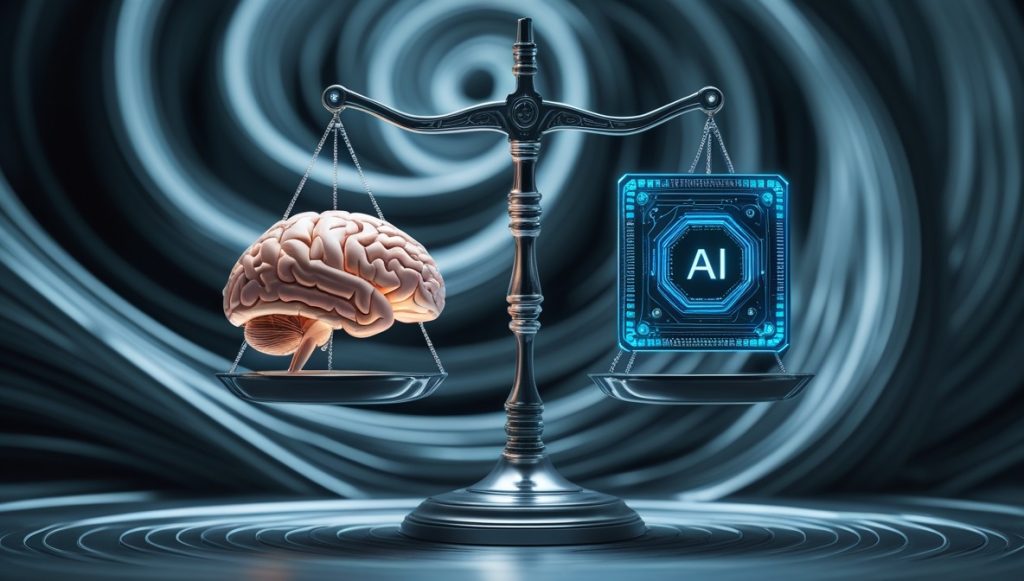
AI lacks human empathy and may misinterpret emotions or provide inappropriate advice. AI tools should complement—not replace—professional therapists.
⚠️ Bias in Algorithms
If AI models are trained on biased data, they may offer less effective care to certain populations. Continuous auditing and inclusive training data are vital.
Can AI Replace Human Therapists?
No. AI cannot and should not replace trained mental health professionals. What it can do is:
Assist in monitoring mental health trends.
Support users between therapy sessions.
Provide early warning signs and basic emotional support.
Think of AI as an augmented ally, not a substitute.
The Future of AI and Mental Well-being
The future is bright—if approached with care. Innovations in Natural Language Processing (NLP), emotion recognition, and AI-human collaboration will lead to more intuitive and empathetic digital mental health tools.
Government bodies, tech companies, and healthcare providers must collaborate to build ethical, effective, and accessible AI solutions that prioritize human dignity and mental wellness.
Conclusion
AI holds the power to revolutionize mental health support—but it’s not a magic fix. When designed ethically and used responsibly, AI can complement traditional care, improve access, and support millions struggling silently.
As we move forward, the key is clear: Use AI to amplify human care, not replace it.